
Ravi Agarwal
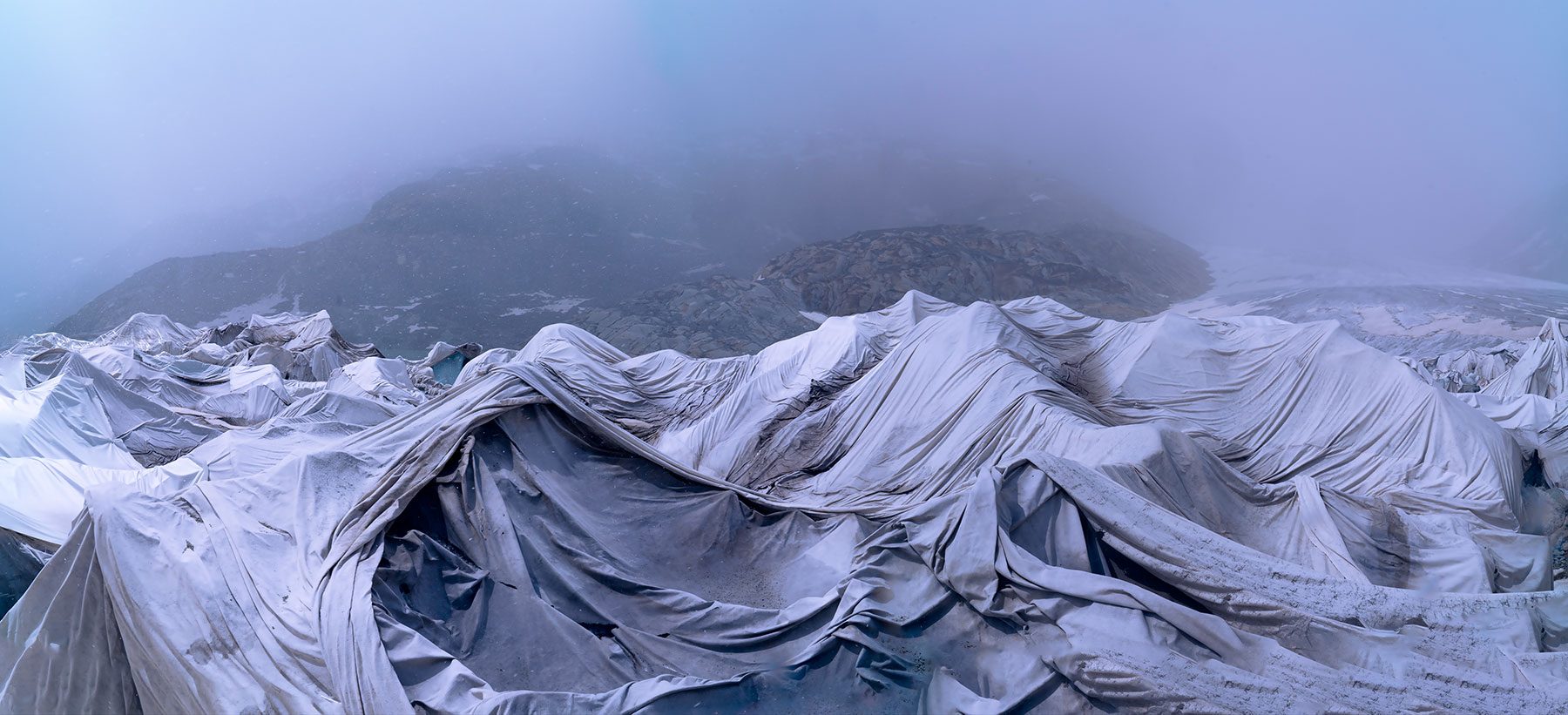
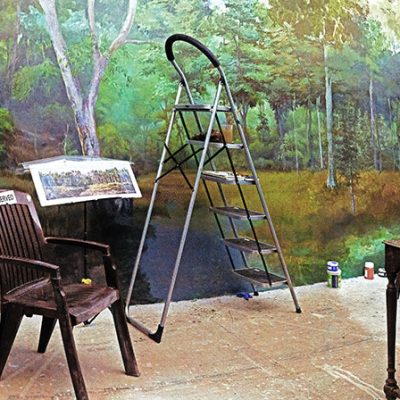
Ravi Agarwal | Icetime I | 2026

Ravi Agarwal is an interdisciplinary artist, photographer, environmentalist, writer, and curator whose practice bridges art and activism. Working across photography, public art, video, text, and installation, he explores the intersections of ecology, labour, infrastructure, and environmental justice, examining how environmental crises reshape human and more-than-human worlds. Moving between documentary, conceptual, and performative modes, his work reimagines
photography as a critical and imaginative medium for engaging ecological futures.
Agarwal's work has been exhibited internationally at major museums and biennials, including Documenta 11 (2002), Indian Highway (2009), the Sharjah Biennial (2013), Kochi-Muziris Biennale (2016), the Yinchuan Biennale (2018), and the Havana Biennial (2019), alongside numerous solo and group exhibitions. He has served on numerous international art and photography juries, and his work is held in public and private collections.
As a curator, he has developed exhibitions and public art projects exploring the intersections of art and ecology, including Yamuna–Elbe: Twin City Project (2011), Embrace Our Rivers (2018), New Natures: A Terrible Beauty Is Born, Imagined Documents at Les Rencontres d'Arles (2022), and as Curatorial Advisor for Carbon at Science Gallery Bengaluru (2024). He also served as Photography Curator for the Serendipity Arles Photo Grant (2018–19). He was Co-Convenor of Bergen Assembly 2025 and a Visiting Fellow at the Paul Mellon Centre for Studies in British Art, London.
He has published several photobooks and artist’s books, including Ambient Seas (2016), Extinct? (2009), Have You Seen the Flowers on the River? (2007), and Immersion: Emergence (2006). His landmark publication Down and Out (Oxford University Press, 2002) was among the first major photographic works on migrant labour in India. Recent projects include the multispecies art initiative Samtal Jameen, Samtal Jameer (2022), and Goethe Institute Bio-Design project.
Agarwal is also the author and editor of numerous books, including Practices of Hope, Nyogi Books (2026), Nature Contested , Orient Blackswan (2026), The Crisis of Climate Change, Routledge (2021), and Embrace Our Rivers, Kerber (2017). He has guest-edited special issues of Marg and the India International Centre Quarterly, and regularly publishes on art, ecology, and environmental humanities.
Alongside his artistic practice, Agarwal is the Founder-Director of Toxics Link, one of India’s pioneering environmental organisations, and founder of The Shyama Foundation, which supports art and ecology practices.. He is the recipient of the UN-IFCS Award for Chemical Safety and the Ashoka Fellowship. Trained as an engineer, Agarwal has spent over three decades shaping critical dialogue at the intersection of contemporary art, ecology, and public culture.