
Last night, we slept in the forest. A light body landed on the roof and we dreamt it was a leopard. A collective dream built from fear and fascination that held us on a threshold. What is it that we expected in the forest? A being larger than our understanding? What we got was all shadow and sound. We woke up and walked in the dark, between moon and sun, to listen to birds. We sat on rocks and we noted their songs on paper. It felt like a form of worship. There was a shrine sprouting nearby, patterns of turmeric and vermilion on a fragment of basalt. Was it a crouched impostor? The trees were magnificent enough, the cicadas resonated wider than what our eyes could see. There were so many red cotton bugs on the fallen leaves that we prayed we would not step on a single jewel. They had two faces, one turned back against time. It made me think about a forest far away, whose edge I reached once on a boat. There was a house there, its ceiling painted in oil gathered in buckets by hand. An adaptation so unexpected that I marvelled at what an accident between a boat and tanker could result in. The man who lived there talked about crocodiles and tigers on the paths to crabs and honey. Bodies turned outside in, inside the forest. The risk of entering so immense that it needed faith. Each of the trees in that forest had a thousand limbs. Can you escape a place that can tie a noose around your dreams? Over there they had found a scale on which they could balance their terror with the bounty.
I revisited these memories while looking at Sayan Chanda’s large sculptures woven from old Kantha quilts, featured in his exhibition How Many Fires, How Many Suns, How Many Dawns? showing at the De La Warr Pavillion, (February-May 2026).
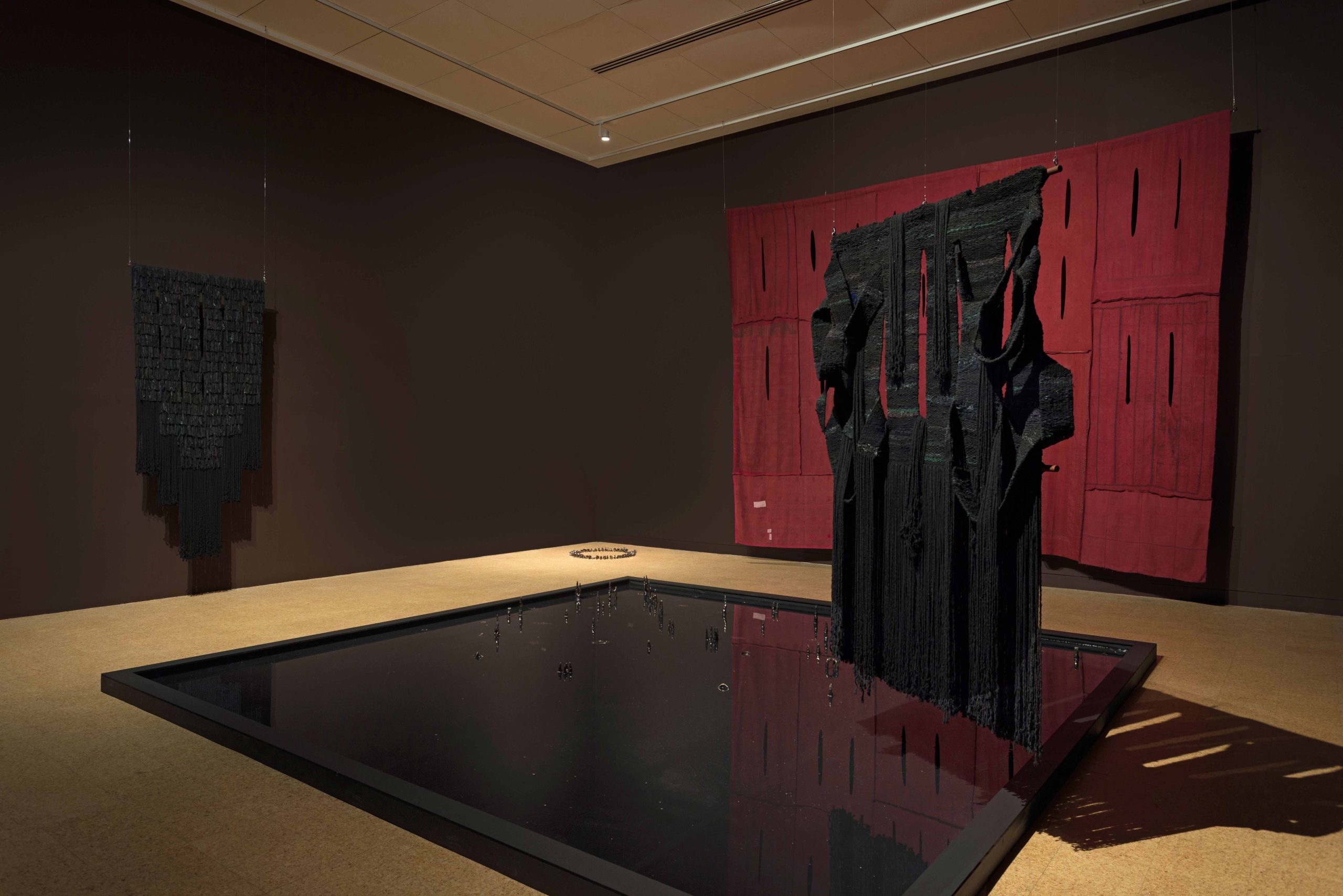
Fig 1, Sayan Chanda, How Many Fires, How Many Suns, How Many Dawns?, 2026, Installation View, De La Warr Pavilion, Bexhill-On-Sea. Photography, Rob Harris. Image Courtesy the Artist.
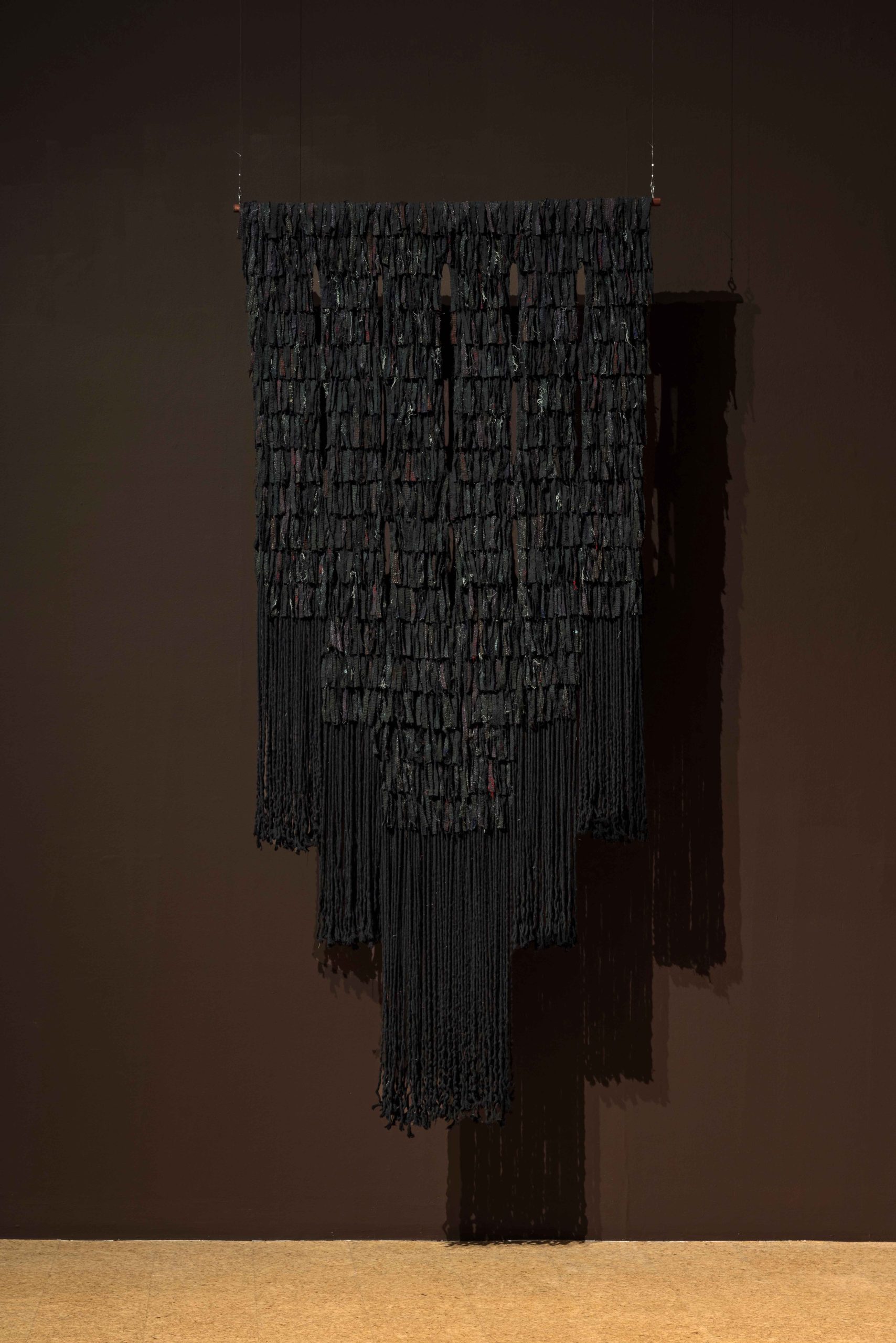
Fig 2, Sayan Chanda, How Many Fires, How Many Suns, How Many Dawns?, 2026, Installation View, De La Warr Pavilion, Bexhill-On-Sea. Photography, Rob Harris. Image Courtesy the Artist.
The tapestries, if I can call them that, hang on walls in galleries. Something about them starts a conversation around reverence. They are red and black and yellow monoliths usually shown in half light. They draw life from the mangroves. Some of the sculptures have hair made of jute — hair artisans make for idols — woven into a fountain. Every time I look at the slits on their bodies, it is as if I am looking into an unknown depth, orifices that open out into the dark unknown. Are they eyes? Are they vulvas? Are they doors? Could these figures hide in the water and emerge again with the shifting tides using the strength of their many limbs? Would they withstand the embrace of silt like a miracle?
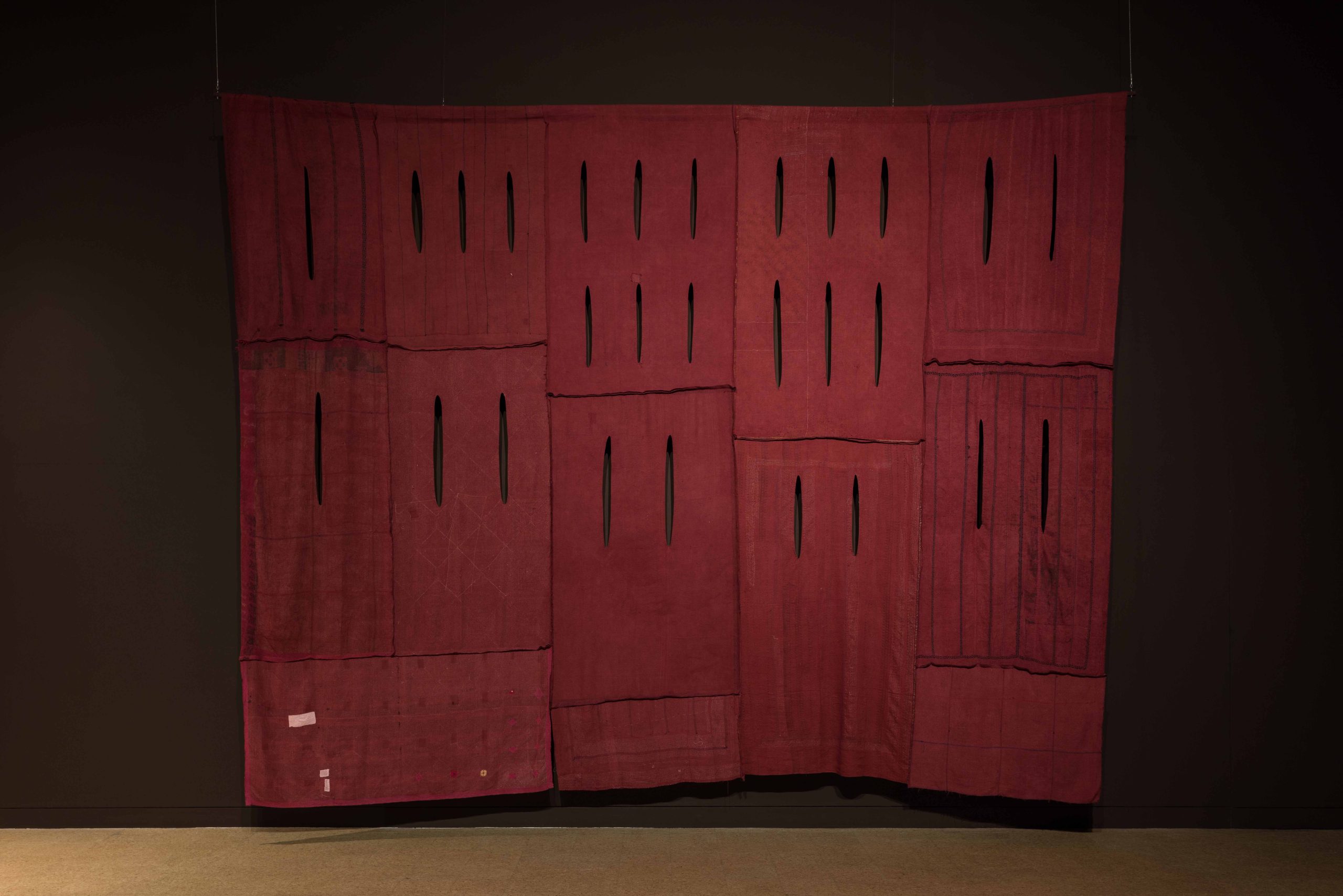
Fig 3, Sayan Chanda, How Many Fires, How Many Suns, How Many Dawns?, 2026, Installation View, De La Warr Pavilion, Bexhill-On-Sea. Photography, Rob Harris. Image Courtesy the Artist.
Chanda distills these sculptures out of experiences and objects associated with rituals practiced in Bengal and the Sundarbans. They hold something in them of roadside shrines built around stones and trees, pools of blood that form in the moment of an animal sacrifice, brassware that can carry infinite light for a devotee, terracotta sculptures that turn into gods and goddesses once a year. These are familiar textures and shapes for Chanda. When I talked to him, he returned often to the small temple in the house in which he grew up, the highest room in the house, where he would sit through the night, arranging ornaments as if he was arranging stars in the sky. There is something about childhood that never loosens its grip on the thinking mind. It can become the prism through which one reads critique. It is the location from which Chanda researches the corrosive force of patriarchy and the orientalist and brahmanical degradation of folk worship. The idea that gods were made into monsters serves as one foundation, as do memories of being awake in the dark with an idol, witnessing its embodiment in the morning after an invitation is made to the spirit to inhabit the human-made form, contemplating the possibility of presence. “I always felt like the typical things were not for me, like playing with other boys,” Chanda said.
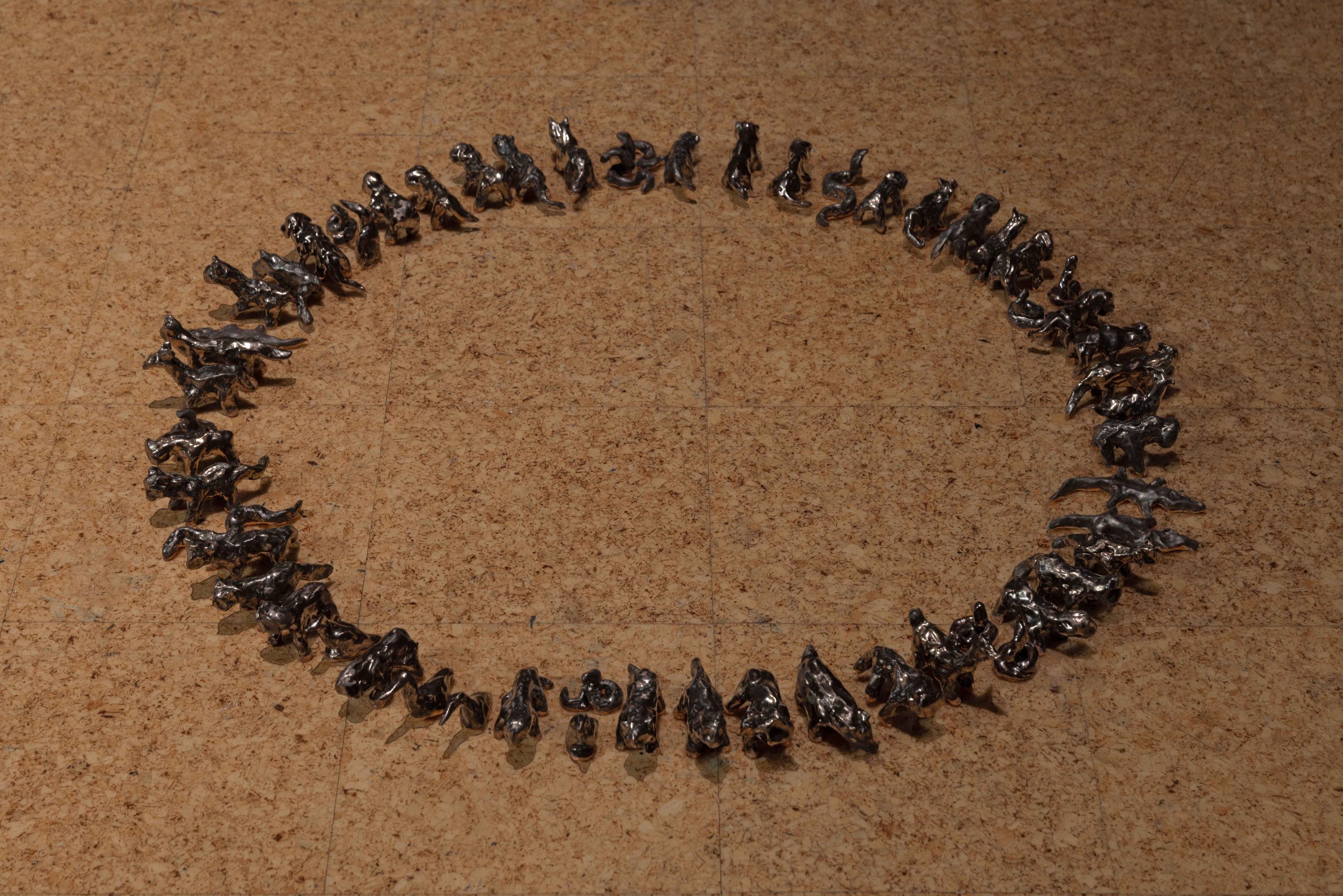
Fig 4, Sayan Chanda, How Many Fires, How Many Suns, How Many Dawns?, 2026, Installation View, De La Warr Pavilion, Bexhill-On-Sea. Photography, Rob Harris. Image Courtesy the Artist.
While growing up, Chanda went to fairs and bought terracotta idols, a collection that is still with him. When it was time to study a vocation, Chanda chose design. Chanda told me that in India designers rarely make objects themselves. The idea is executed by an artisan and this creates a gap between what one mind imagines an object to be and what other bodies experience in the course of labouring to make it. A clear imbalance between expertise and status shaped by the matrixes of caste and class and colonialism. Chanda’s artistic practice has thus become a break from his design practice. He makes his sculptures from old quilts—the material he uses is never ‘new’, although such an idea itself is false since someone has to tend to the fields where ‘new’ material grows. The old quilts, collected from friends and family, or dealers in such objects, are taken apart, stripped down, dyed, and rewoven. This means, while making a work, Chanda stares at walls of red and yellow and black for weeks at a time, watching them grow in stature, like a spirit that does not show itself at first but then covers the cosmos. Chanda does not describe this process as meditative, and neither does he say that he is making something spiritual. All the works are based on memories as well as research on acts of worship and the discourse around them.
This has led Chanda to Bonbibi, a goddess from Mecca, who travelled to the Sundarbans with her brother Shah Jongli, and became a protector of all those who forage in the Sundarbans. Bonbibi’s syncretic nature is often remarked upon as are the ways in which myths emerge from necessity—to both allow people the courage to forage in a treacherous forest and to protect the forest from total plunder. Bonbibi protects the devotees because they need honey, or crabs or timber to survive but she will not protect those who act out of greed. There is an ecological balance that Bonbibi enforces although she is on the side of the humans, no doubt.
Current representations of Bonbibi are inspired by Durga but looking at Chanda’s tapestries it might be possible to imagine Bonbibi in this minimal, elemental form as a descendant of Mrinalini Mukherjee’s fibre deities. It has often been quoted that Mukherjee wanted her sculptures to evoke “the feeling of awe [you get] when you walk into the small sanctum of a temple and look up to be held by an iconic presence.” I think these could be Chanda’s words, too. Should we then imagine Chanda’s sculptures as manifestations of his personal mythology as it was for Mukherjee or as sculptural expressions of his research? Perhaps, this is an unhelpful dichotomy. Perhaps, we should imagine Chanda’s sculptures outside the gallery, a prototype among the mangroves, teeming with life, symbols surrendered.
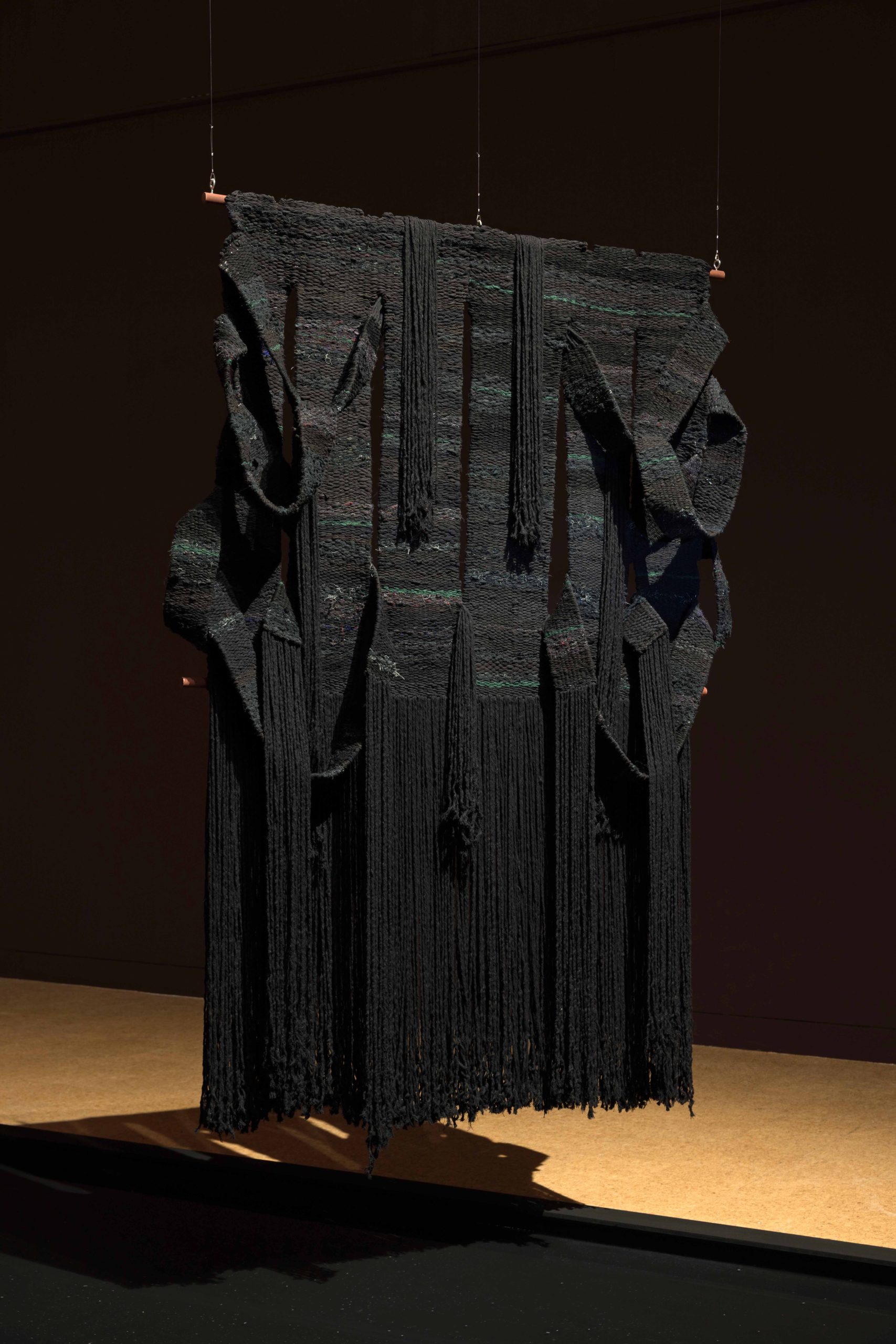
Fig 5, Sayan Chanda, How Many Fires, How Many Suns, How Many Dawns?, 2026, Installation View, De La Warr Pavilion, Bexhill-On-Sea. Photography, Rob Harris. Image Courtesy the Artist.