
A story always starts before it can be told.
~ Sara Ahmed, Living a Feminist Life
How else to arrive
at the ecstasy of ourselves if we cannot see another’s body?
~ Tishani Doshi, Pilgrimage
Beauty, as an eternal idea, is best embodied in art, Susan Sontag (2005) tells us. She goes on to say that, ordinarily, beauty is not associated with gravitas, and that much of the disparagement of beauty needs to be understood as a result of the gender accent. The meshwork of subtext—assumption, judgment, expectation—that undergirds any conversation about beauty, art and gender tells us much about the pathways of power. Who is beautiful? What is art? Who says so? The body, the representation of the female body in particular, has been a battle ground on which many of these conversations have played out. Art is not impervious to the prevailing cultures of libidinal economy. Acknowledging this, Hélène Cixous (1976) posits that to rescue one’s confiscated body, which has been alienated from the self and put on display, an artist must draw her full self into being and learn to speak the text that she is. Cixous movingly asks, “How could one fight without one’s body?”
I
Following in the strong tradition of exploring alternative grammars of visual language in the Indian art practice, Konkan visual and conceptual artist Mayuri Chari’s work rescripts beauty and presents an intervention to the trivialising gaze. Working across media such as embroidery on cloth and watercolour on paper, among others, Chari’s work is populated by the unapologetic presence of earthy, unvarnished bodies of women that stand, spill, and look one in the eye, their flab, sag, and wrinkles undulating. What is evocative about these is their unselfconscious ease that can be observed in the lines they hold themselves. They are everyday bodies that exist and function. Agentic. Beautiful.
In the two series of installations, watercolours, and embroidered artworks titled I Was Not Created for Pleasure (2017-22) and My Body, My Freedom (2022), Chari explores questions of beauty and lived experience. Drawing on Simone de Beauvoir’s assertion (1953) that one is not born but becomes a woman, the artist reclaims the space usurped by the ascriptive gaze seeking easy pleasure. In these series of embroidered and painted bodies, cow-dung sculptures of vulva and self-written poems stitched on cloth, an uncowed expression of the felt stumps the language of normativity, upsetting expectations. The multi-faceted rootedness of experience is a significant factor that motors Chari’s work. She insists that the political bent expressed through art does not exist in a vacuum. The markers and materials she uses—cloth to cow dung—tie her work viscerally to lived realities.
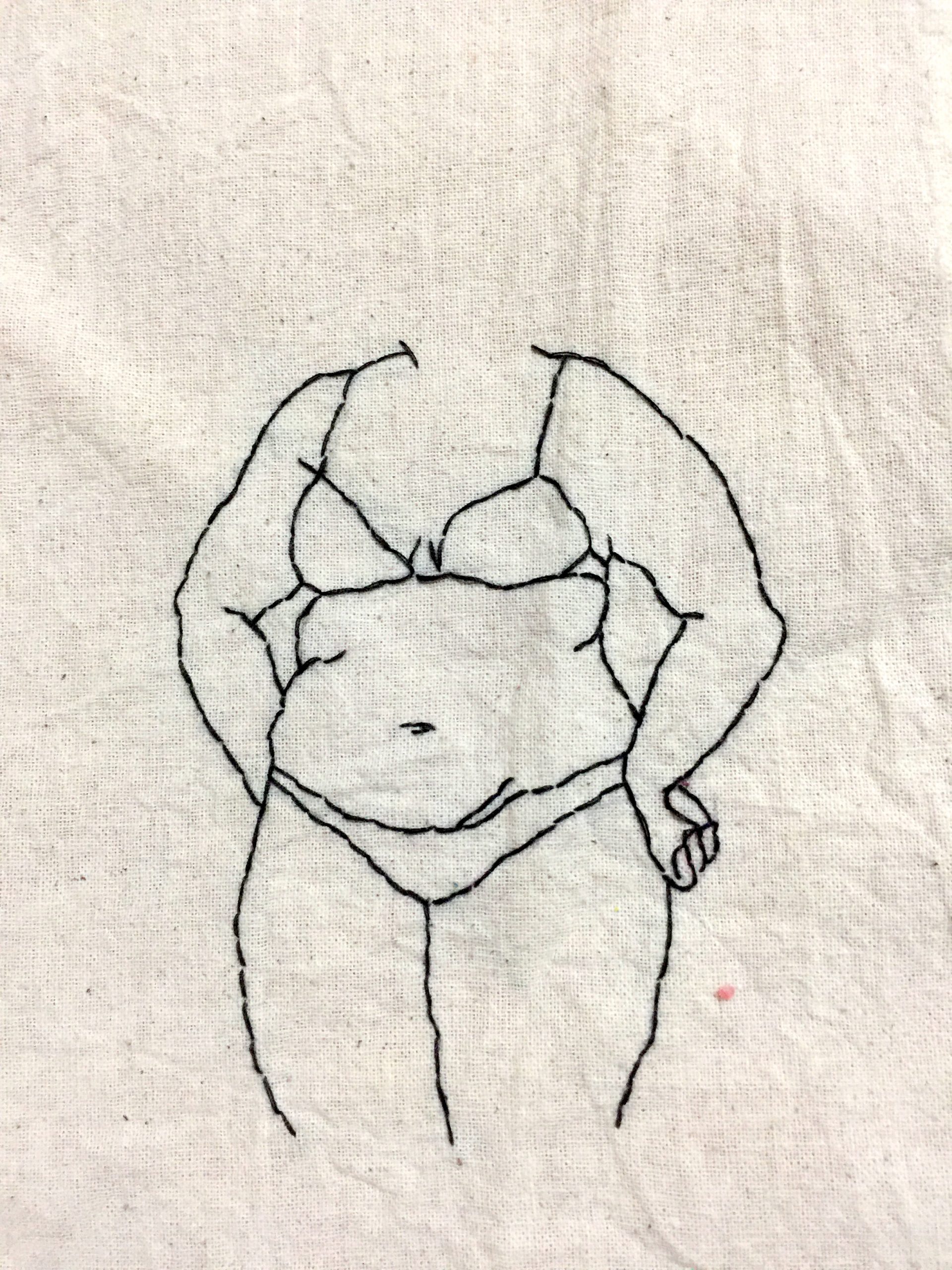
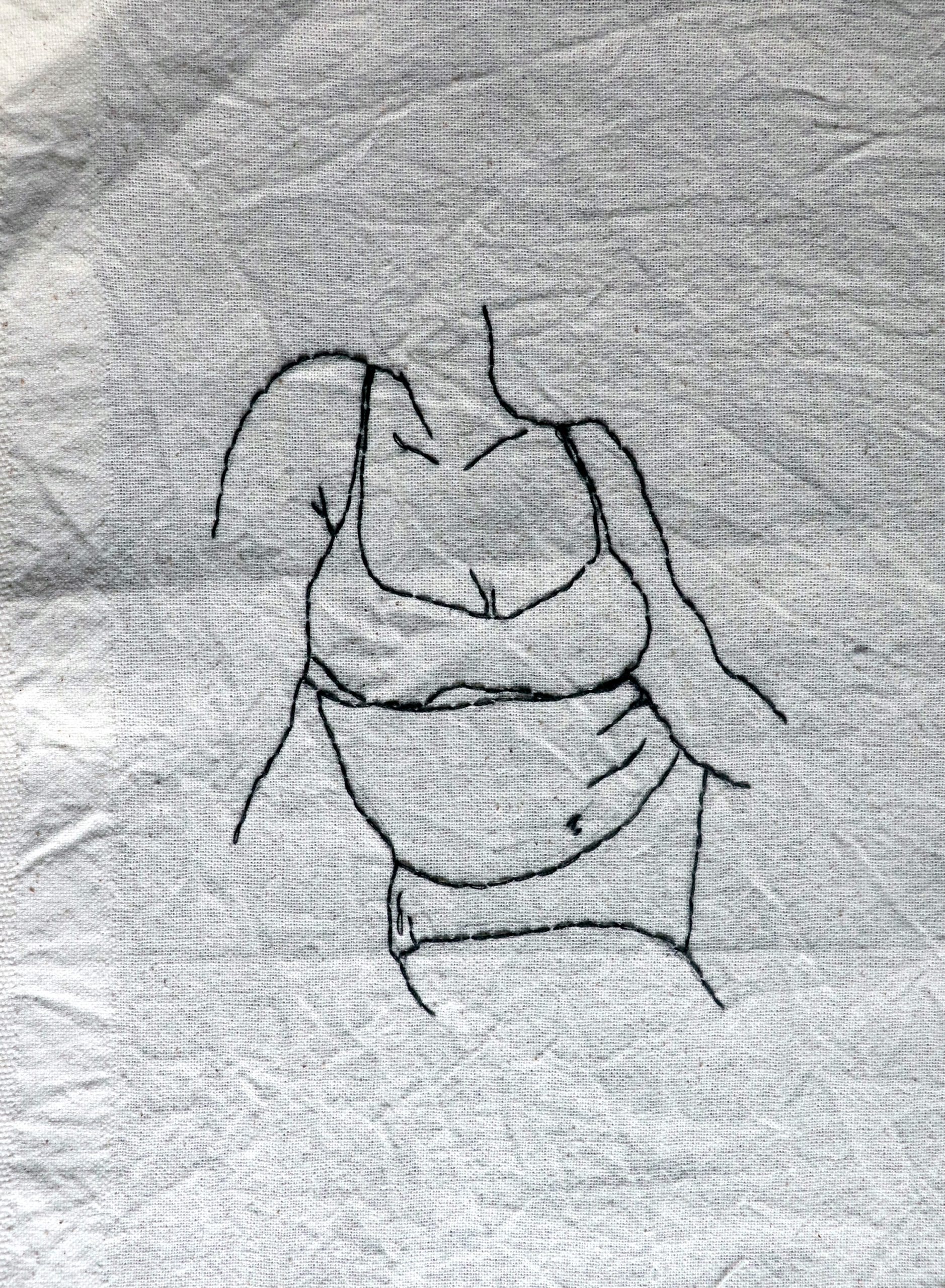
Figure 1 and 2. From the series My Body, My Freedom. 2022. Mayuri Chari. Stitching on cloth. 8″ X 6″. Courtesy of the artist.
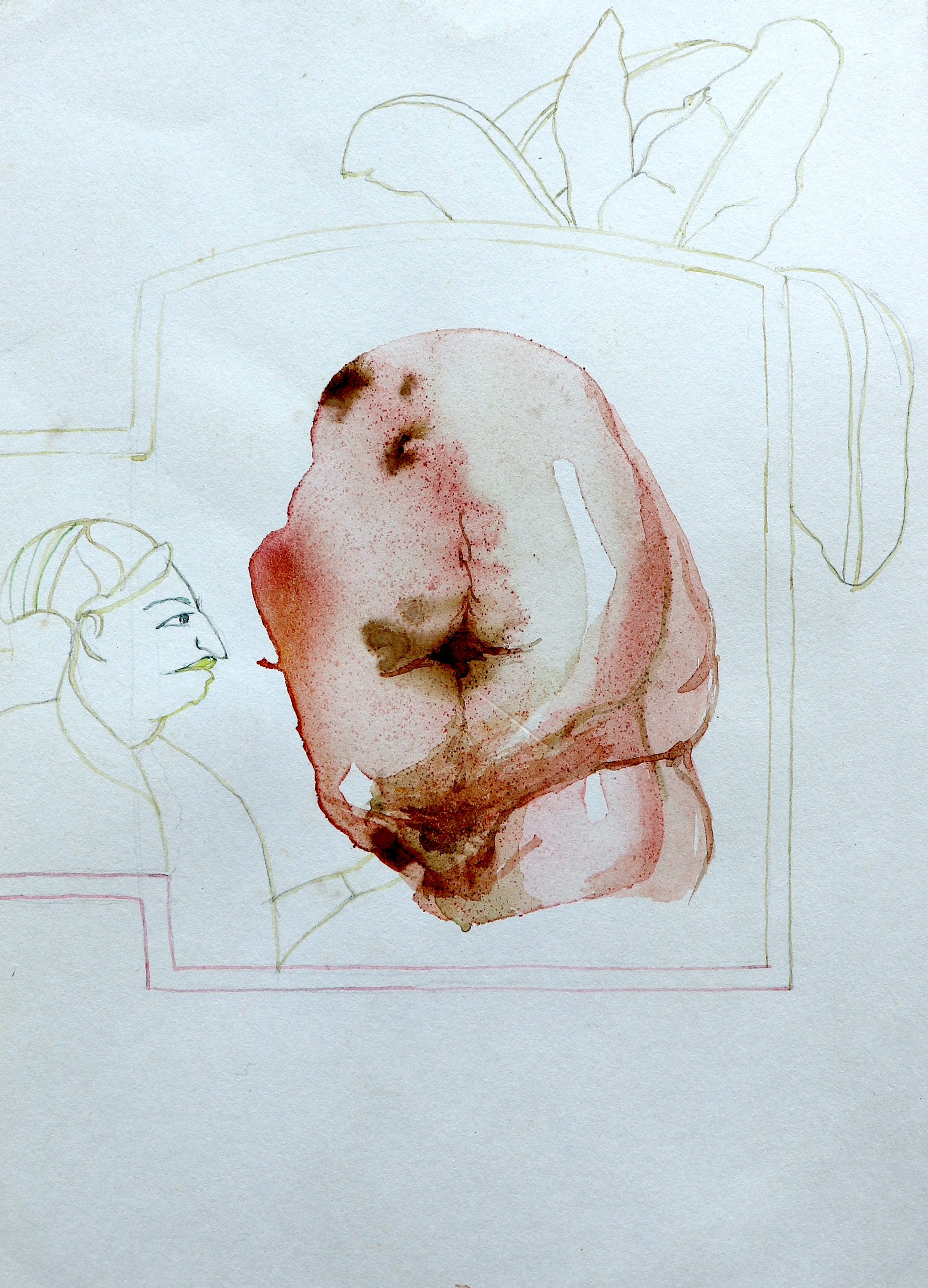
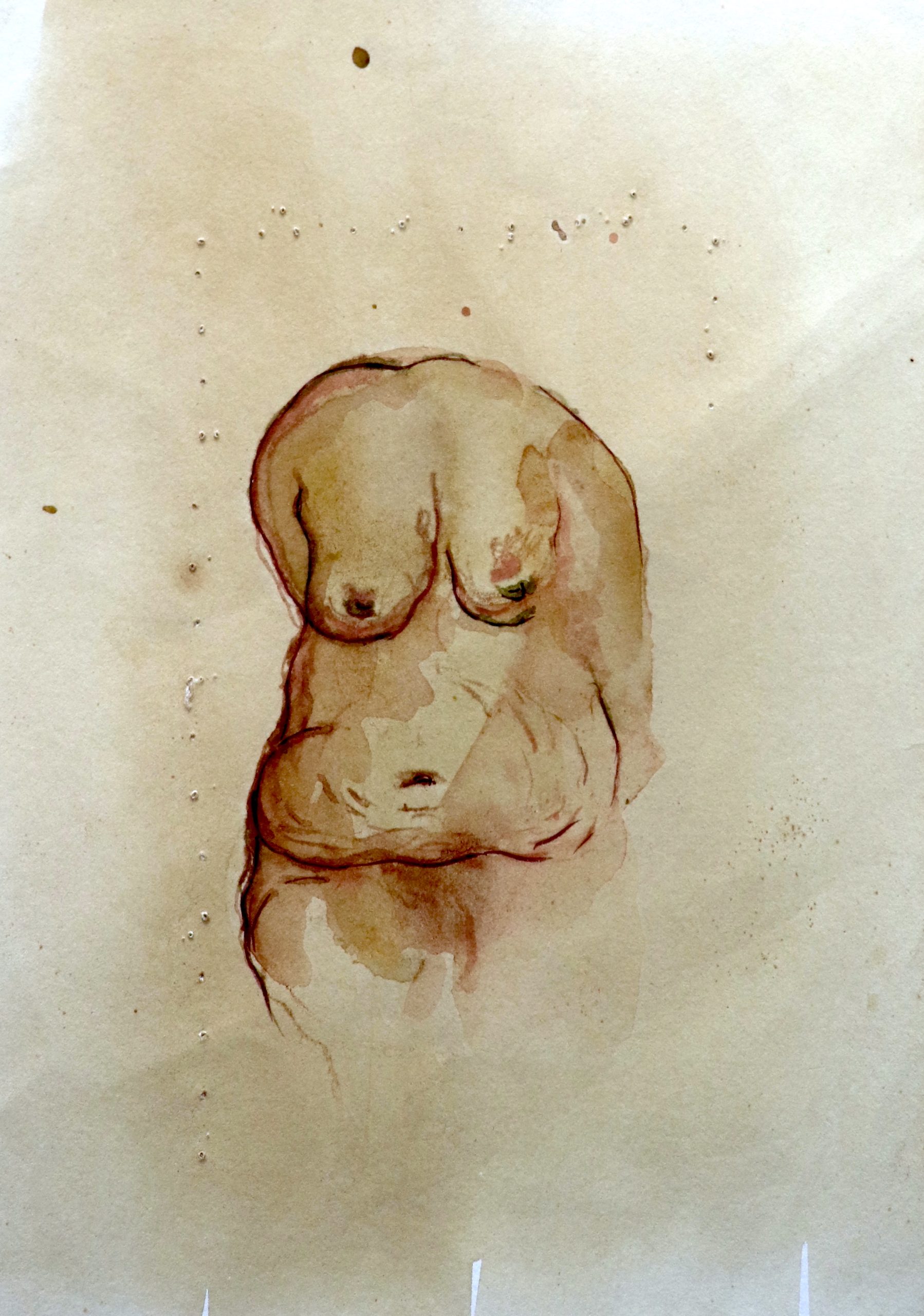
Fig. 3 and 4. From the series I Was Not Created for Pleasure. 2019. Mayuri Chari. Watercolour on paper. 21.6 × 15.2 cm. Courtesy of the artist.
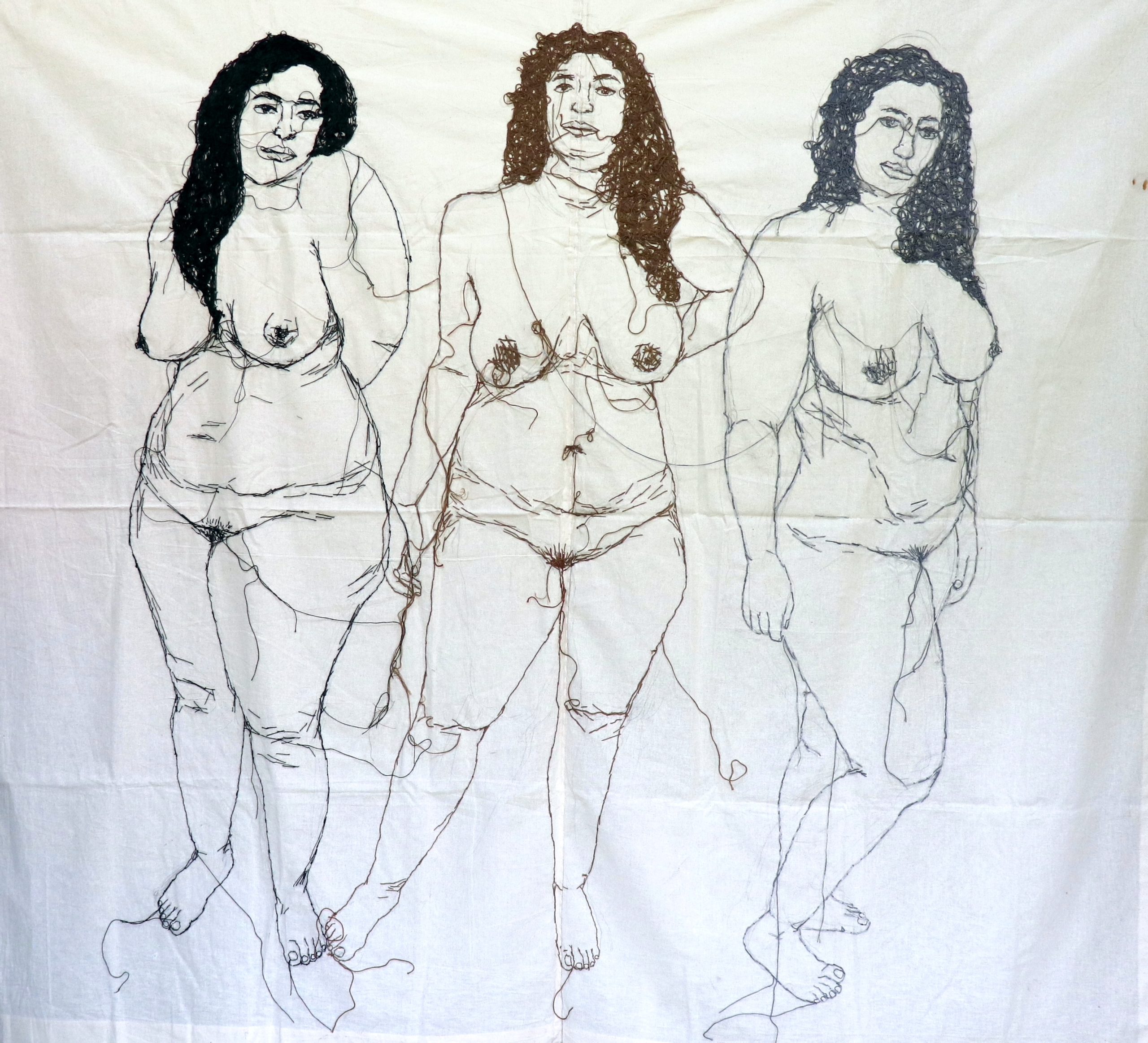
Fig. 5. From the series I Was Not Created for Pleasure. (Don’t Open I Am Nude Inside). 2018. Mayuri Chari. Stitching on cloth. 182.9 × 213.4 cm. Courtesy of the artist.
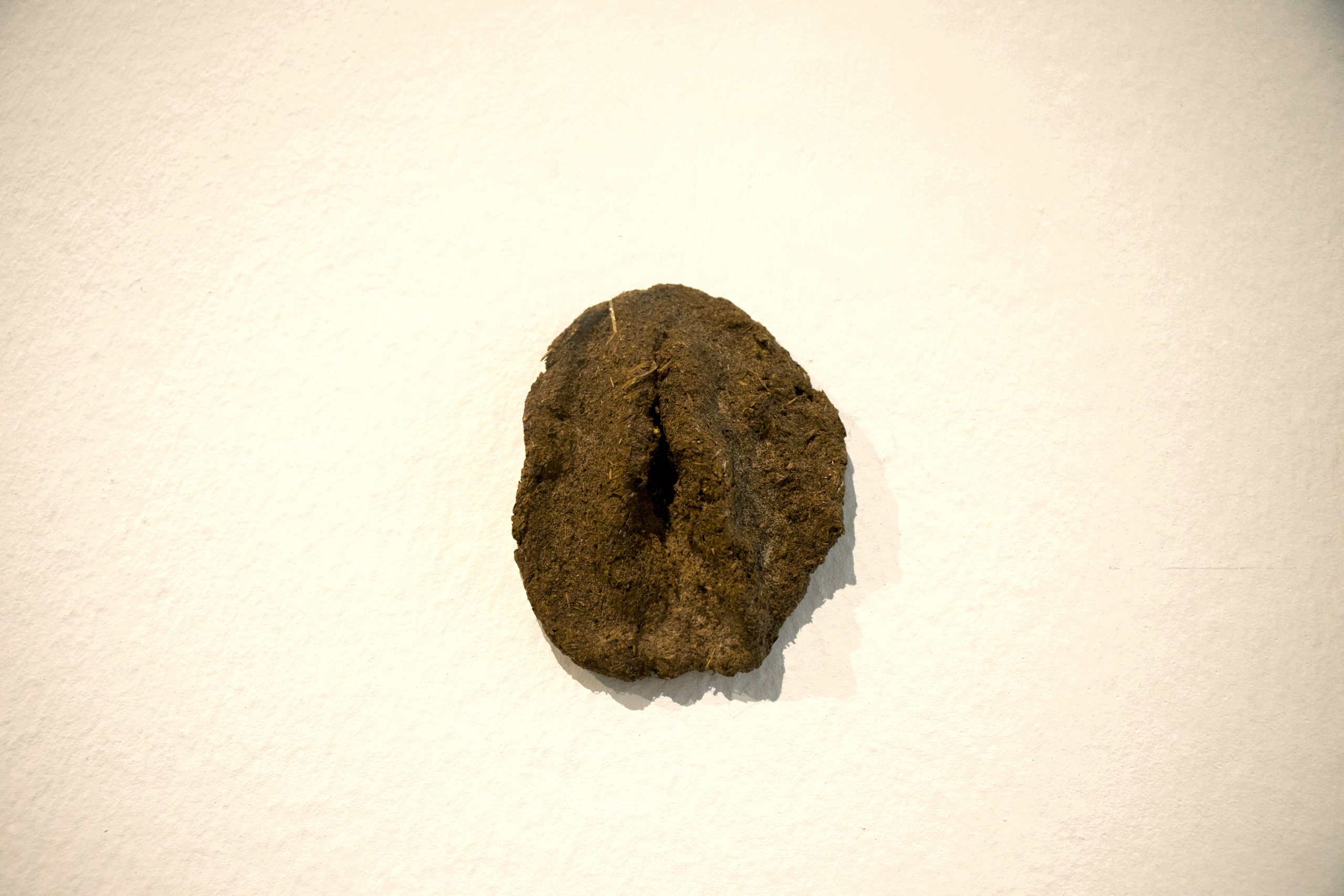
Fig. 6. A detail from I Was Not Created for Pleasure. 2022. Mayuri Chari. Cow dung cake. 8” X 6”. Courtesy of the artist.
Inside. Personal. Domestic. Words that are meant to be defanged, well-mannered and non-threatening. Chari in her work channels the subtext, the received wisdom that latches on to these words and turns the symbolism on its head. Her series Hau, Ghar Ani Ranchikud (Me, Home and the Kitchen) evokes the forces of social sanction, pressure, and expectation by juxtaposing elements of kitchen equipment, text, and the nude or sparsely clothed female form within its frame. The artwork in Fig. 7 frames a rice cooker stitched in black thread on a square piece of cloth fringed with delicate lace alongside text in Hindi that says Rice is not cooked well, and a nude woman is drawn in the background looking away, bare before the demands made of her. The soft material choices and the hard realities the art depicts land as an effective blow on the viewer’s perception, channelling an unsettling dissonance.
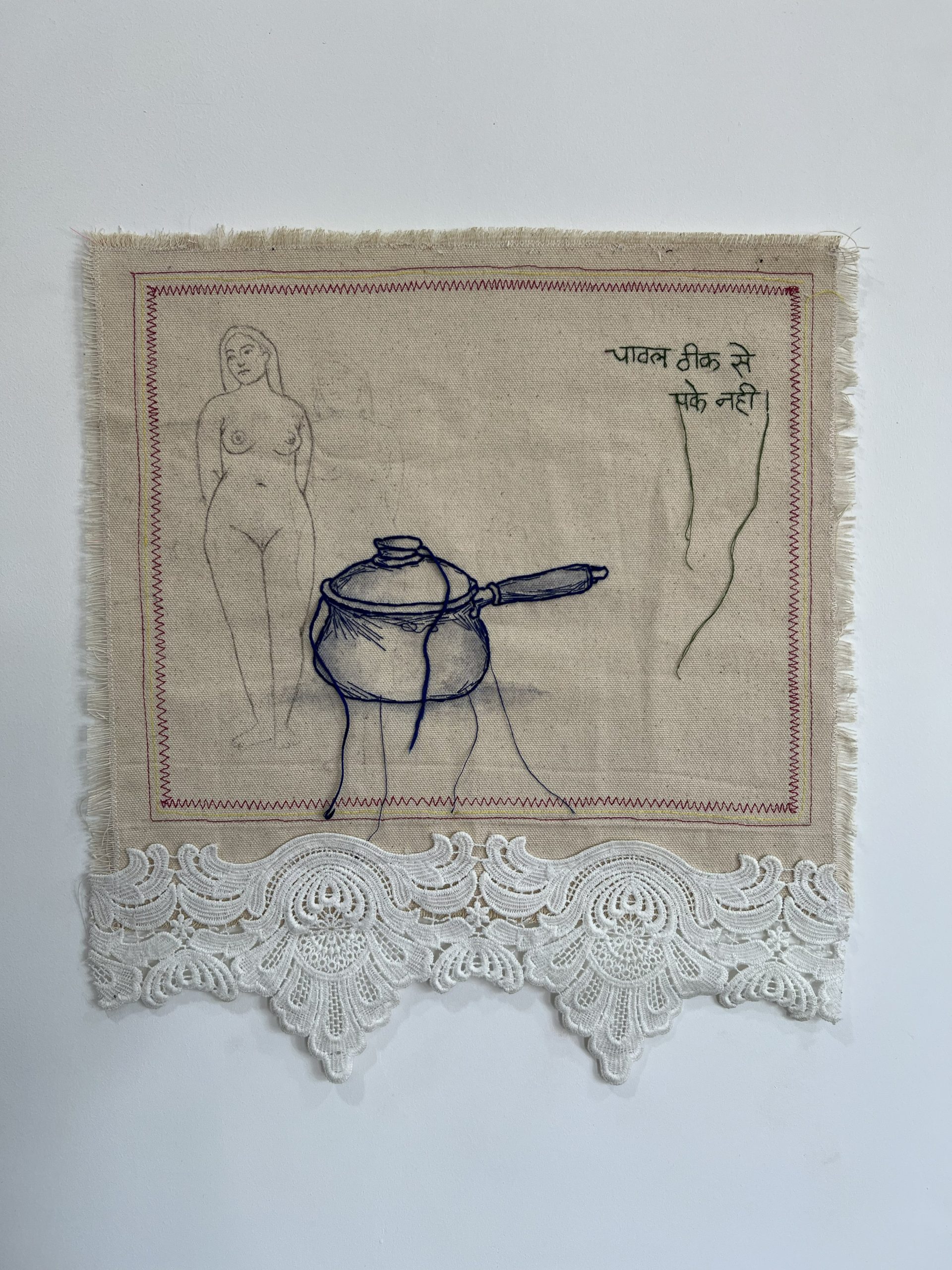
Fig. 7. From Hau, Ghar Ani Ranchikud (Me, Home and the Kitchen). 2023. Mayuri Chari. Stitching on cloth. 14” X 13”. Courtesy of the artist.
The compelling juxtaposition—the placement of elements and the use of familiar language—locates the experience alluded to in the artwork squarely in the everyday. It confronts the viewer with pointed questions through this delicate medium, smashing both material and conceptual binaries, along with the patriarchy. By overturning canonised practices of depictions of the body, Chari’s work repudiates the expectant gaze. Gendered realities are not a uniform monolith. Their imbricated nature presents thorny difficulties and punctures efforts towards any universal treatment. What discomfits viewers about Chari’s work, one may wager, is its refusal to perform power in legible ways. It rather claims for itself the messy, liminal spaces of the tender and imperfect. Provocative juxtaposition, as in Chari’s series Me, Home and the Kitchen, jolts the viewer out of the linearity of perception and places them amidst a volatile reality simmering beneath the routine expectations of domesticity.
II
Another artist who cuts through the clutter and strikes at the heart of the matter, engaging with the ordinary in evocative ways, is the Bangalore-based illustrator Priya Sebastian. She considers illustration to be a language. She says, “Drawing and sketching are alphabets, but knowing how to illustrate is knowing how to use mediums, texture, form, composition, metaphor and symbol to express, evoke and create a story with visuals much in the same way novelists do with words.” The stark black-and-white compositions of Sebastian’s charcoal sketches bring subjects to life in bold lines. The sparing use of colour pops out in her work, arresting the viewer. Colour here is not used to hide weak drawing or concept, but to bring a chosen detail to meaningful life. Women going about their daily lives, striking natural shapes hold the artist’s interest and are recreated on paper effectively deploying texture and form. Sebastian animates her work by distilling experience through interpretation.
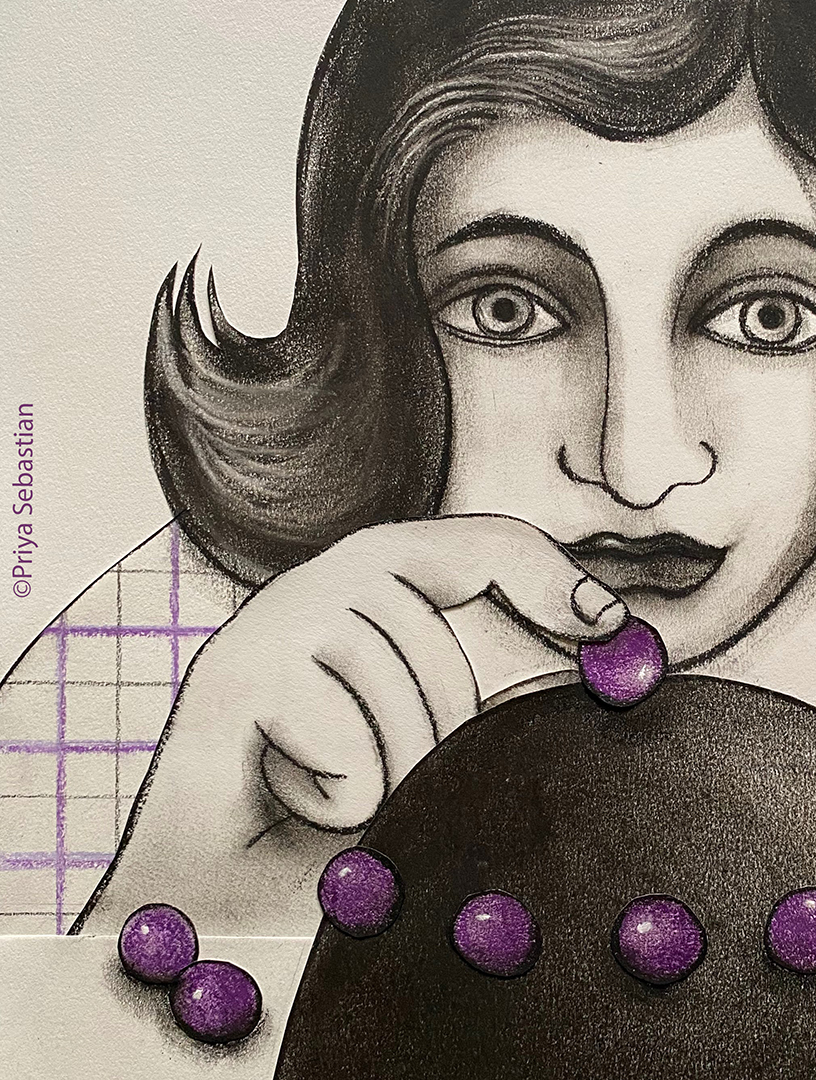
Fig. 8. An illustration from Mommies. 2024. Priya Sebastian. Charcoal and dry pastel on Canson paper. Collage. Courtesy of the artist and Pickle Yolk Books.
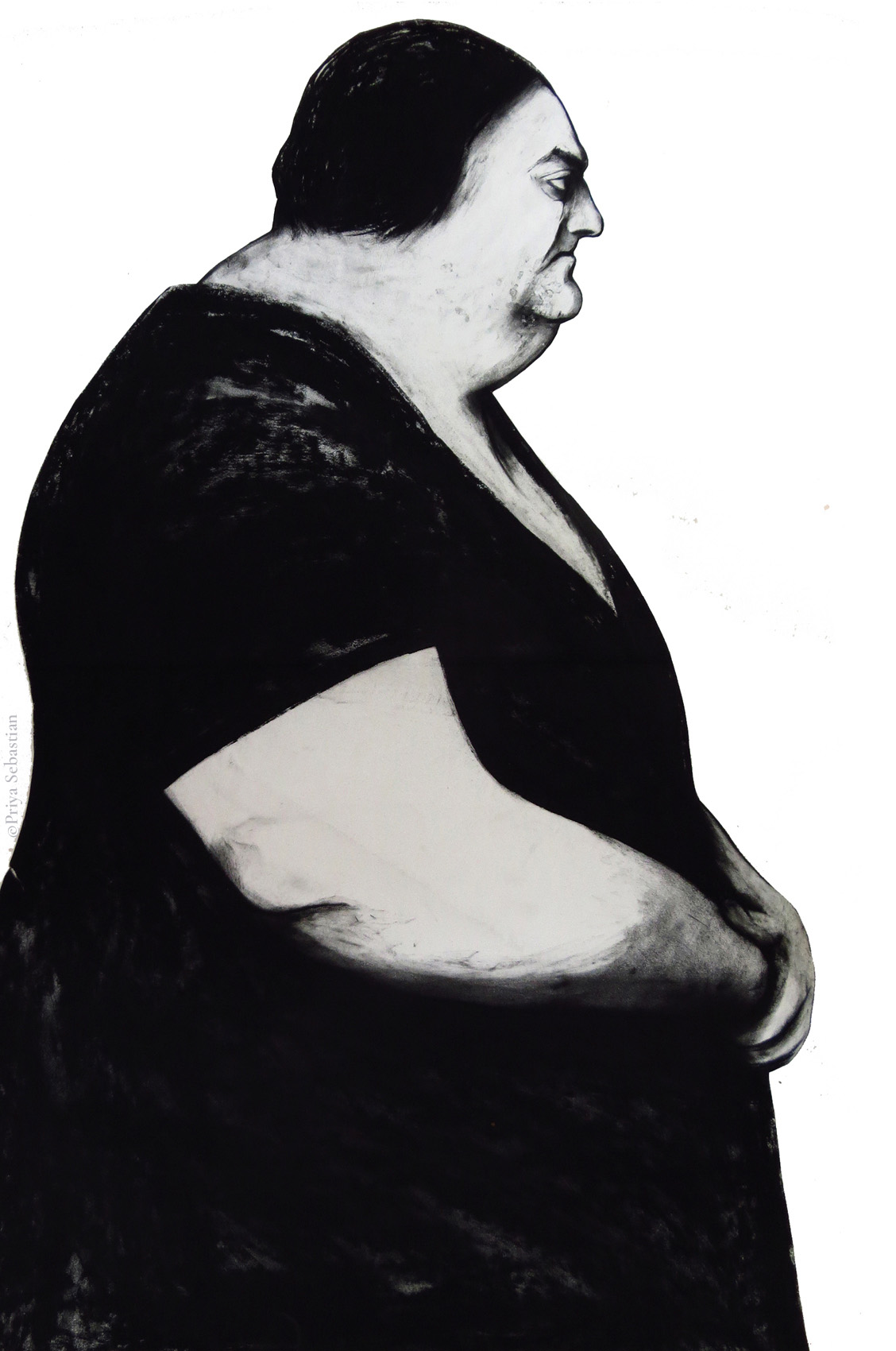
Fig. 9. Large Lady. 2015. Priya Sebastian. 40 inches x 25 inches (approx). Charcoal on paper. Collage. Courtesy of the artist.
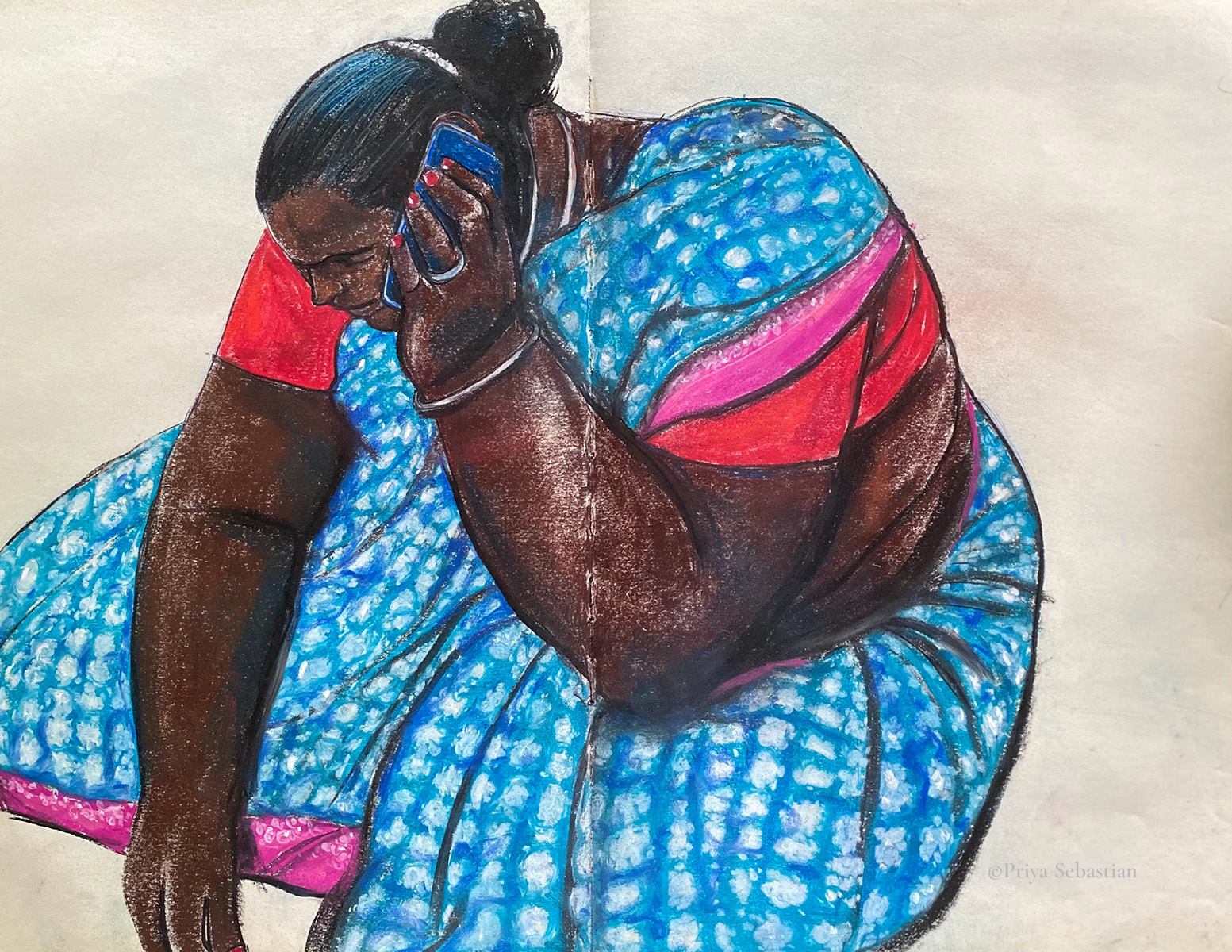
Fig. 10. Woman in Blue. Flower seller in Gandhi Bazaar. 2023. Priya Sebastian. Charcoal and dry pastel on A3 size Moleskine book double-spread. Courtesy of the artist.
In her first picture book, Is It the Same for You? (Seagull Books, 2019) Sebastian skilfully illustrates a girl growing up in a conflict zone. Focusing on the girl’s changing body and the character’s navigation of it gives Sebastian a chance to open out the conversation. The universal tumult of adolescence and the anxiety generated by familial, societal and political conflict play out through the body. A woman’s body—what it is allowed, how it must look, what it can say and to whom—has and continues to serve as a marker for the larger forces that assail lives.
In the pastel drawings that serve as illustrations for the book, Sebastian uses colour, light and shadow to such great effect that one is moved beyond words at the tenderness a body can evoke. In one illustration where a young girl’s bare body is depicted—only her right breast, its mauve nipple and parts of her right palm lit, the rest of her body in shadow, a suggestion—the command the artist exerts on her craft is fully evident.
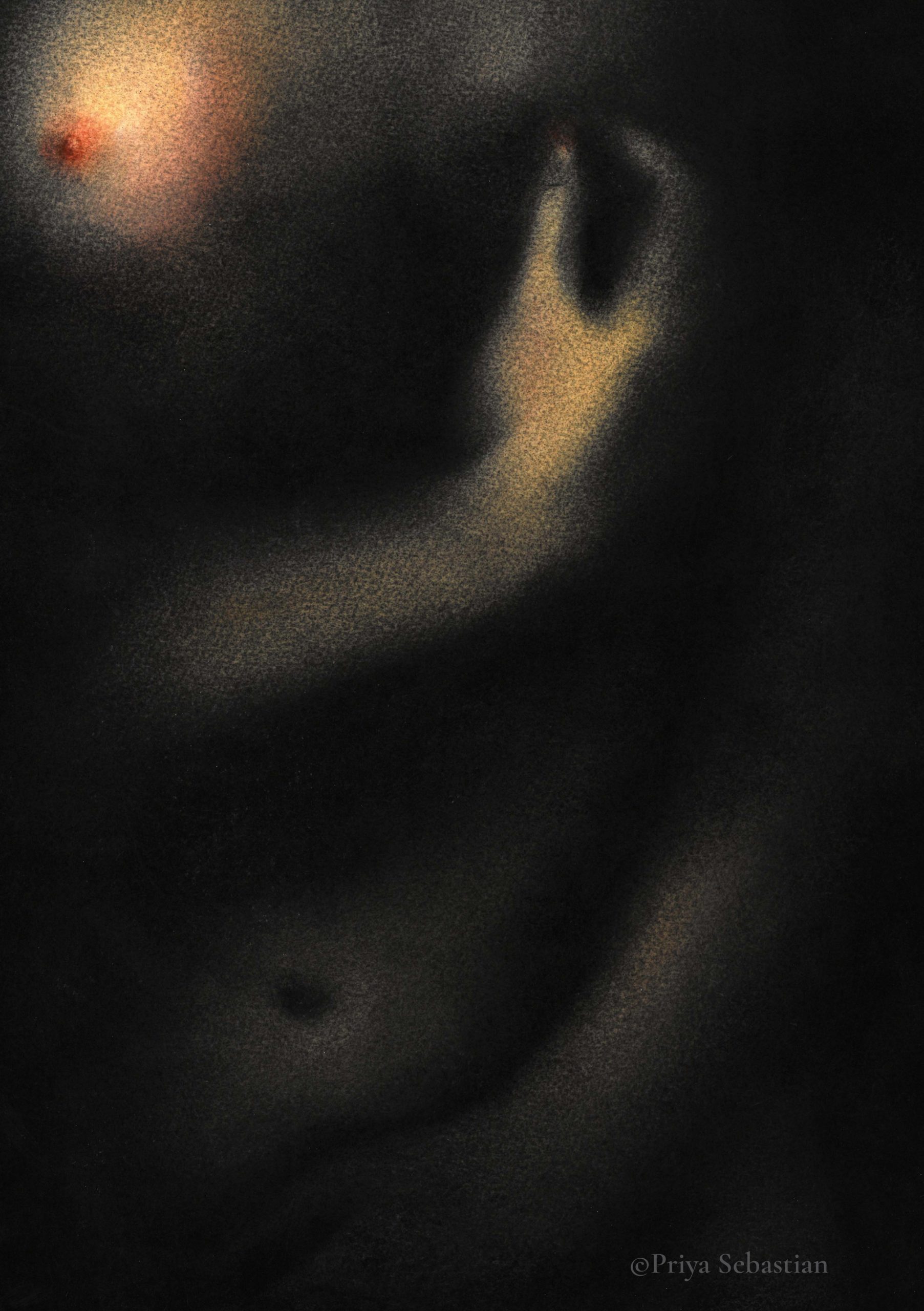
Fig. 11. Illustration for book Is It the Same for You? 2019. Priya Sebastian. Rembrandt dry pastel on Arches Vellum paper. 11.7 x 16.5 inches. Courtesy of the artist and Seagull Books.
In her second picture book, Mommies (Pickle Yolk Books, 2024), Sebastian brings her distinctive style to bear on the varied depictions of mothers using cut-outs and collages of charcoal and pastel work to illustrate the text. Deft juxtaposition charges these illustrations with energy, provoking the reader to think through the work’s constitutive elements. In each illustration the personality of characters jumps out of the page, in equal measure eccentric and everyday. Colour, once again, is used to very successful effect, may it be the red painted lips of a mother with the cat, black-jacketed and goggled, or the green hairpin and earrings of the sari-clad mother—each flourish lively in its detail.
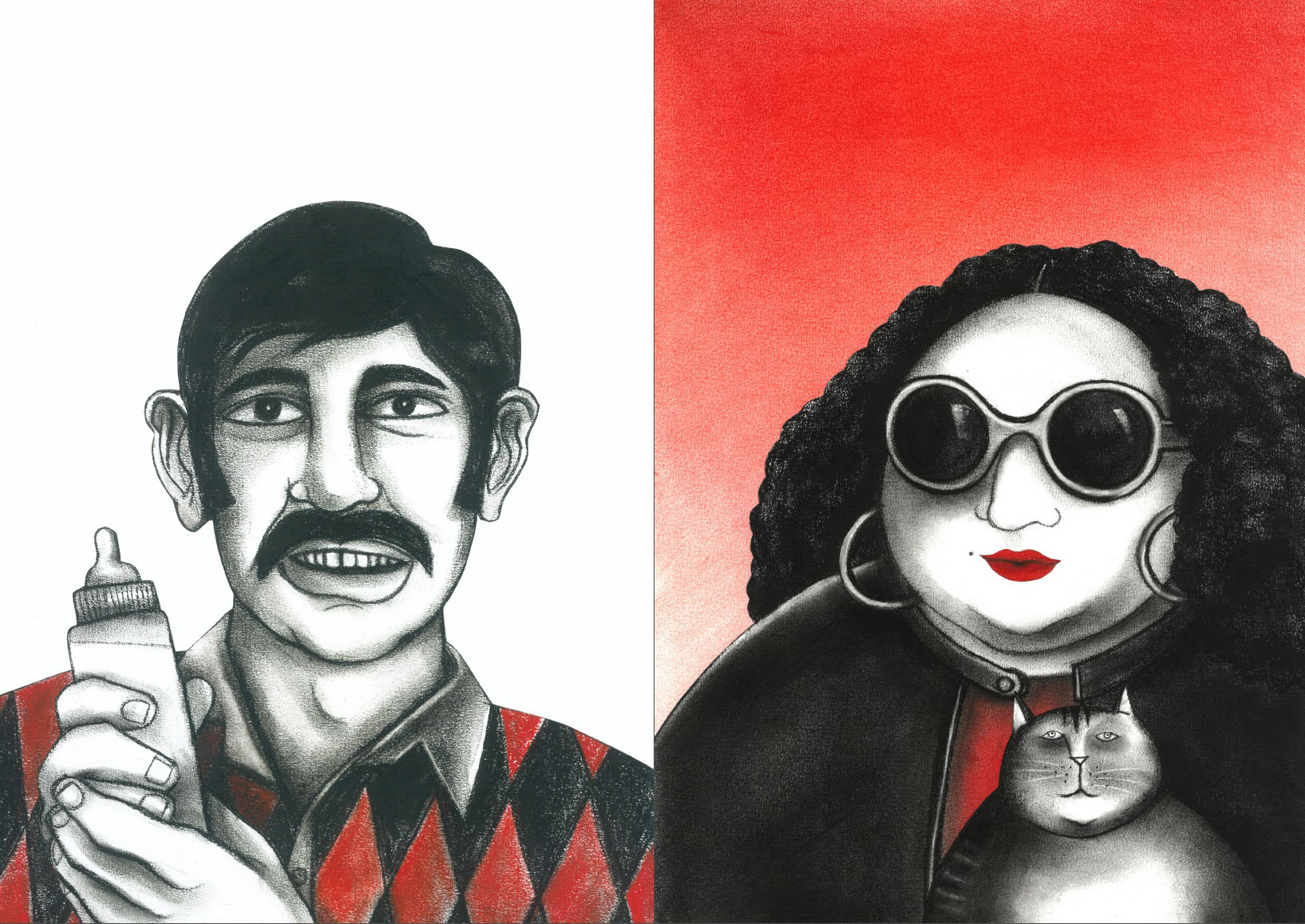
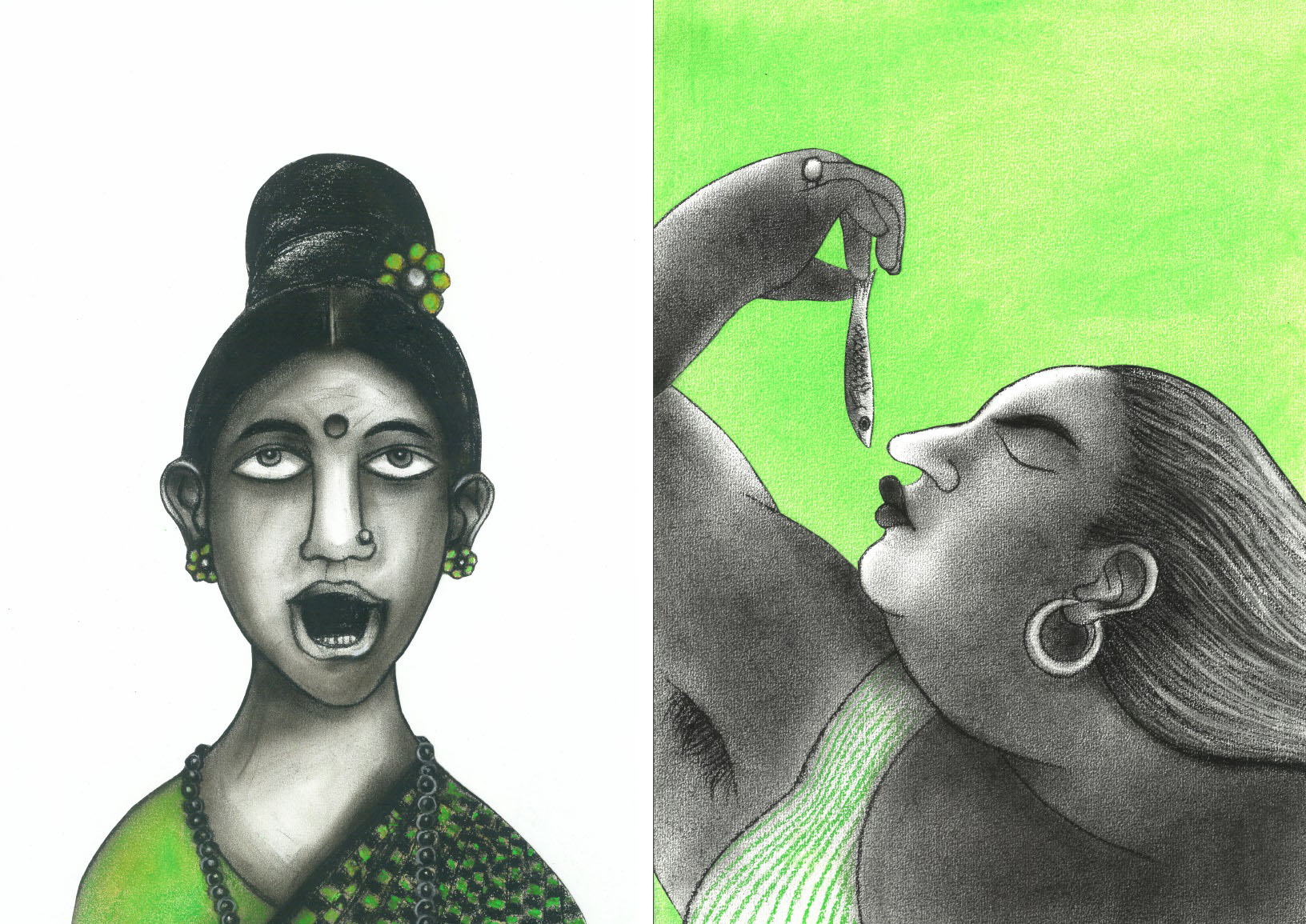
Fig. 12 & 13. Illustrations for Mommies. 2024. Priya Sebastian. Charcoal and dry pastel on Canson paper. Collage. Courtesy of the artist and Pickle Yolk Books.
The lines in Sebastian’s work communicate a clarity of vision. The serenity of the mother with her lips pursed or the gaiety of the mother with a bird in her hair; in drawing them, Sebastian throws the many-hued, many-bodied reality that is around us all in the face of linear, popular depictions of what motherhood means and what mothers must look like.
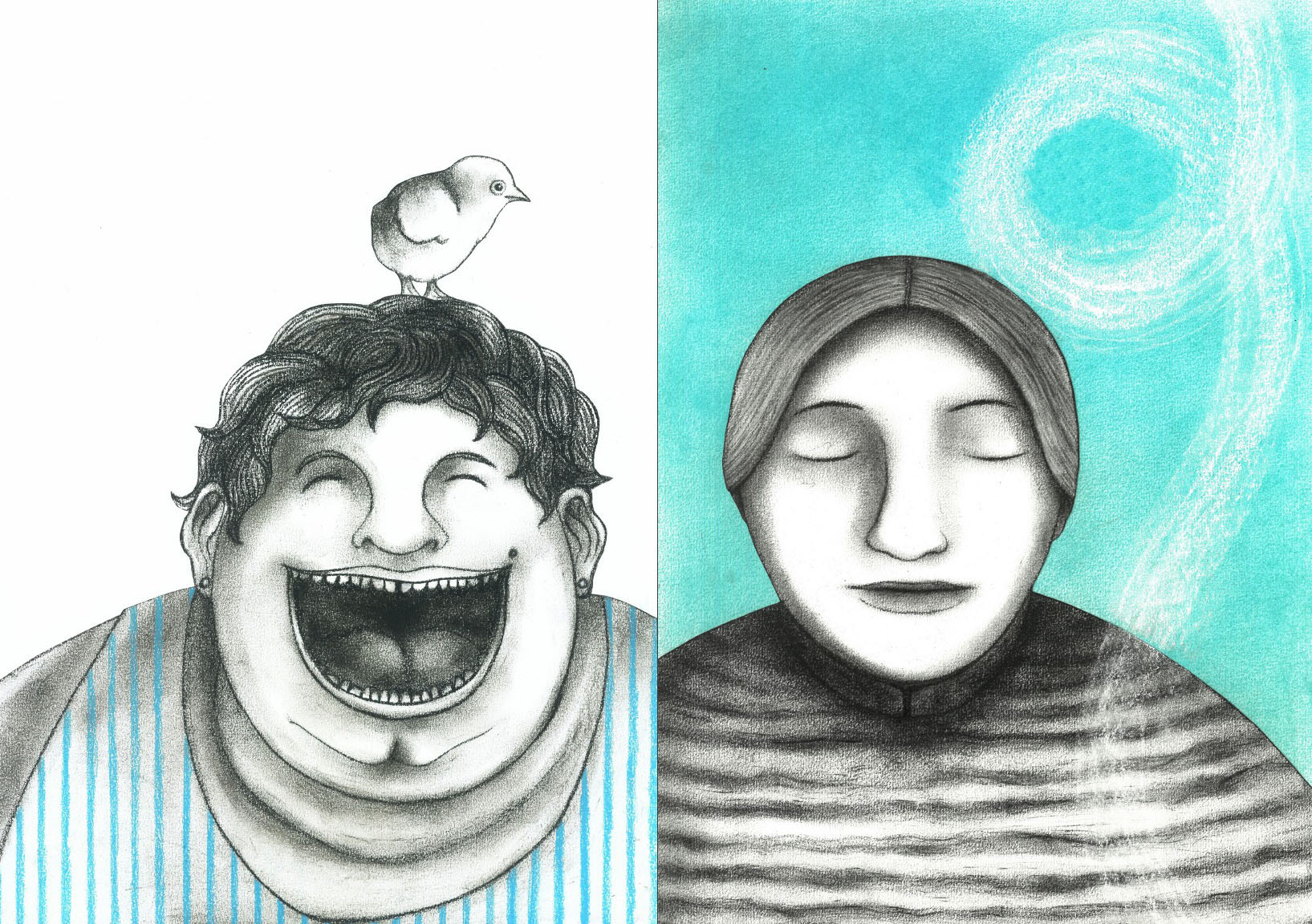
Fig. 14. Illustrations for Mommies. 2024. Priya Sebastian. Charcoal and dry pastel on Canson paper. Collage. Courtesy of the artist and Pickle Yolk Books.
III
In the late twentieth and early twenty-first centuries in India, across media, the work of artists like Sonia Khurana, Mithu Sen, and Tejal Shah, to name only a few, wrecked rhetorics, regulations, and codes of normative art practice, giving a new language to the felt reality of diverse bodies. Mayuri Chari’s work extends this legacy by bringing the mobile complexities of bodies in their infinite variations into the frame. Virginia Woolf (1931) believed that for a woman to make her way in the world, she had to be ‘a blaster of rocks and the maker of bridges’; it was necessary to fragment but also to link. Bold, real, and beautiful—Chari’s work in stitching together a body deconstructs the elements of power that hamstring it.
The exercise of sifting through the elements to grasp the spirit of the whole is evident in Priya Sebastian’s work where the language of illustration summons beauty in the service of expanding perceivable possibilities. In the two picture books discussed, the emotional atmosphere of the story is routed through the body to express the entangled nature of our realities. As Sebastian says elsewhere, her practice is an exercise in combining sensitivity with absolute boldness and never sacrificing the one for the other.
Both artists use potent juxtaposition as a powerful tool to centre their works amidst the politics of splintered spectatorship in a mediatised economy. Sontag said, while beauty may be eternal or ephemeral, the capacity of people to be moved by it was consistently, extraordinarily resilient, alive even amid the harshest distractions. In their practice, Chari and Sebastian summon the diverse iterations of beauty into visual language, challenging reductive binaries to make buoyantly expansive work.